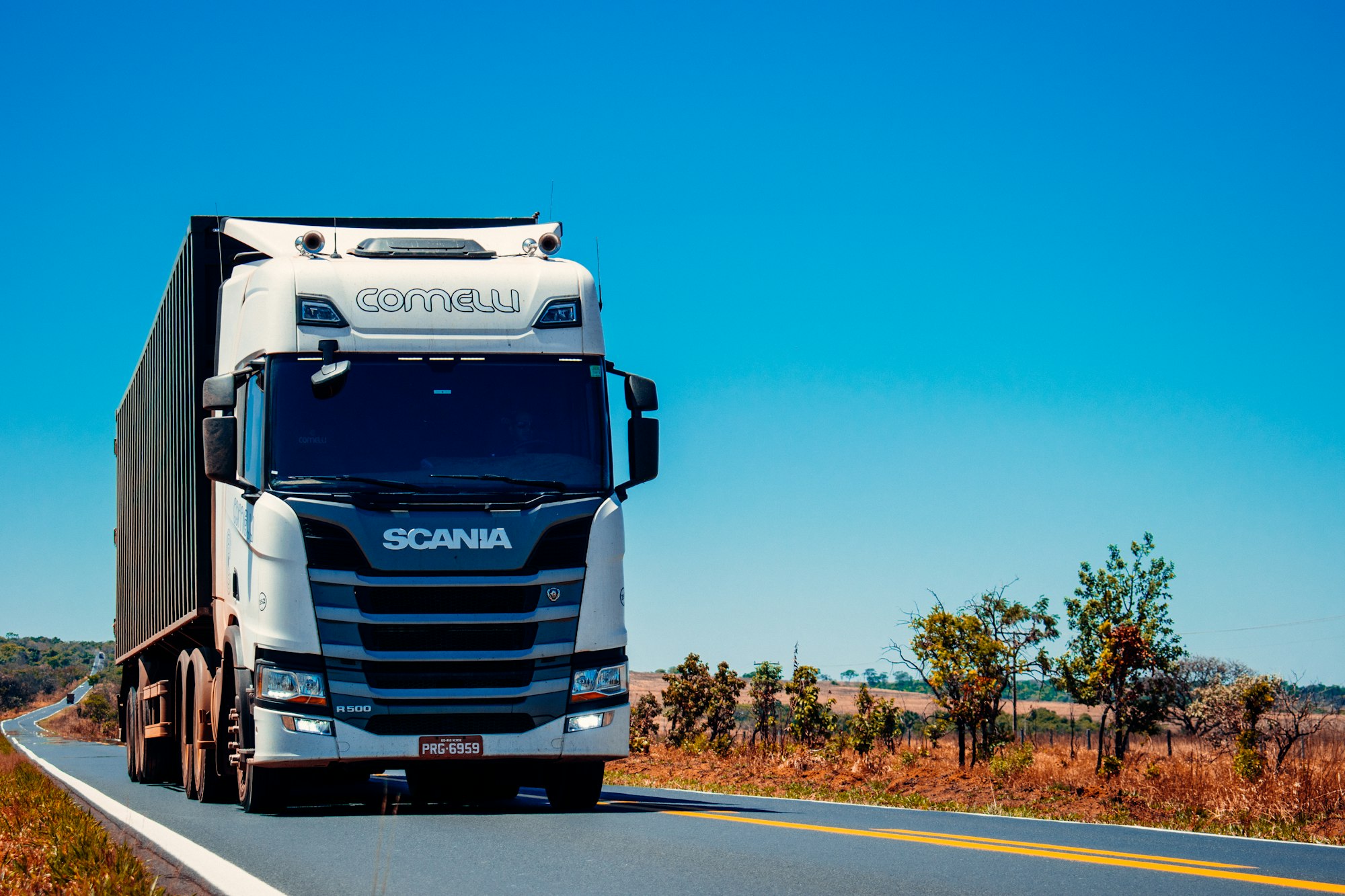
Truck Cases Are Not Just Bigger Car Cases
Commercial trucking accidents involve federal regulations, electronic logging devices, driver-qualification files, drug-and-alcohol testing protocols, maintenance records, dashcam footage, and corporate defendants with policy limits ten to fifty times higher than a typical auto policy. Evidence disappears quickly, sometimes legally, if a preservation letter doesn't go out within days.
We move fast. Within twenty-four hours of being retained on a serious trucking case, we typically have a spoliation letter on the carrier, an accident reconstructionist on standby, and a plan to inspect the truck before it's repaired or back on the road.
Common Causes We Investigate
- Driver fatigue: hours-of-service violations and falsified logs
- Improper training: drivers placed in routes or weather they weren't qualified for
- Mechanical failure: brakes, tires, lighting, coupling devices
- Negligent hiring: drivers with prior DUIs, suspended licenses, or unsafe driving records
- Cargo issues: improperly loaded or unsecured freight that causes shifts and rollovers
- Distracted driving: phone use, dispatch communications, GPS interaction
Motorcycle Accidents Need the Same Urgency
Juries are often biased against motorcyclists. We've watched defense lawyers exploit that bias for decades. The counter is preparation: helmet-cam footage when available, careful reconstruction of right-of-way, and credible expert testimony that establishes exactly how the collision happened.
If you ride and you were hit, the most important thing you can do is preserve your gear, your bike, and any video before they're discarded.
What We Typically Pursue
In addition to the standard categories (medical, lost wages, pain & suffering), trucking cases often support claims against multiple defendants: the driver, the trucking company, a separate broker, a cargo loader, and sometimes a parts manufacturer. That stacking of liability is what allows truck cases to result in seven- and eight-figure recoveries when the injuries justify it.
What to Do in the First 48 Hours After a Truck Crash
Commercial truck cases run on a different timeline from regular car accidents. Trucking companies dispatch a rapid-response team within hours of a serious crash. By the time most victims are out of the hospital, the company already has photos, witness statements, and a draft narrative shifting blame.
- Call us before the trucking company calls you. Their adjuster is not your friend. Anything you say is used to reduce your claim.
- Preserve the truck's data. Electronic logging devices, dashcam footage, GPS, and engine control module data are routinely overwritten within 30 days. A preservation letter must go out fast.
- Get the federal DOT number. It is on the side of the cab. With that number, we pull the carrier's safety history, prior crashes, and insurance information.
- Document your injuries from day one. Commercial truck injuries are often more severe than typical auto cases, and the medical record needs to reflect that severity from the start.
- Do not accept the trucking company's first call. They will offer a quick settlement, often in five figures, for cases that are worth seven figures.
Damages We Recover in Truck and Motorcycle Cases
Commercial truck policies start at $750,000 minimum under federal law and routinely reach $5 million to $10 million. Motorcycle cases are usually fought over policy limits because the injuries are severe. Either way, we pursue every layer of available coverage.
- Medical expenses, including emergency care, surgery, rehab, durable medical equipment, and projected future treatment.
- Lost wages and earning capacity, including for clients who cannot return to the same physical work.
- Pain and suffering, scaled to the catastrophic nature of truck and motorcycle injuries.
- Wrongful death damages for surviving spouses, children, and parents in fatal cases.
- Punitive damages when the carrier's safety violations, hours-of-service fraud, or maintenance failures rise to gross negligence.
- Loss of consortium for spouses and qualifying family members.
Mistakes That Hurt Truck Accident Claims
Trucking companies have litigation playbooks. Avoid the openings their lawyers count on:
- Talking to the trucking company's investigator. They show up with sympathetic questions designed to lock in statements that undermine your claim.
- Waiting to retain counsel. Every day without a preservation letter is a day that ELD data, dashcam footage, and driver logs can disappear.
- Letting the wreck be repaired or scrapped. The damaged truck and your vehicle are evidence. They need to be inspected by our experts first.
- Underplaying injuries. Brain injuries, spine injuries, and internal trauma do not always show up in the first ER visit. Follow up with specialists.
- Posting on social media. The defense will subpoena your accounts and use any post against you.
Why Los Angeles Truck and Motorcycle Cases Are Different
Southern California is a national logistics hub. The 5, the 405, the 10, the 605, and the I-15 carry tens of thousands of commercial trucks every day, plus a year-round motorcycle culture that puts riders on the same roads. The combination produces some of the country's most serious commercial vehicle and motorcycle crashes.
We litigate these cases in Los Angeles, Glendale, Pasadena, Long Beach, and the Inland Empire. We know which trucking carriers have repeat safety violations, which insurance defense firms try to bury cases in paperwork, and which judges hold fleet defendants accountable. For motorcycle clients, we also know how to defeat the bias that riders are reckless, by using the physical evidence, the data, and the law of comparative fault to put responsibility where it belongs.
Truck & Motorcycle Accident FAQs
The questions clients ask us most. Click any one to expand the answer.
Why Are Truck Accident Cases Different From Regular Car Accidents?
Federal regulations apply (FMCSA Hours of Service, electronic logging, mandatory drug testing). There are usually multiple insurance policies (driver, carrier, broker, shipper). The damage is far greater. The trucking company's defense team gets to the scene almost immediately. You need a lawyer who knows federal trucking law.
Who Can I Sue After a Truck Accident?
Potentially the driver, the trucking company, the motor carrier broker, the cargo loader, the maintenance contractor, and the truck or parts manufacturer. We pursue every responsible party because each one carries its own insurance.
What Evidence Disappears Fast in Truck Cases?
The ECM ("black box") data, the driver's logbook, dashcam footage, dispatch records, drug-test results, and the vehicle itself can all be modified or lost within days. We send a preservation letter immediately so destruction of evidence becomes a separate legal violation.
What if the Crash Was a Motorcycle Accident, Not a Truck?
Motorcycle riders face an unfair bias from juries and insurance adjusters who assume the rider was speeding or reckless. We counter that with reconstruction, helmet-cam if any, witness statements, and detailed injury documentation. Motorcycle cases are won with preparation.
How Much Insurance Does a Commercial Truck Carry?
Federal law requires interstate commercial trucks to carry at least $750,000 in liability coverage, often $1 million or more, plus the trucking company's umbrella policy and the broker's policy. The available coverage is usually far higher than in a standard auto case.
What If the Truck Driver Was From Out of State?
California has jurisdiction over crashes that happen in California regardless of where the trucker or carrier is based. We have litigated against carriers based in Texas, Arizona, and across the Midwest.
What Damages Can I Recover After a Motorcycle Crash?
Medical care (current and future), lost wages, loss of earning capacity, the cost of the bike and gear, pain and suffering, loss of consortium, and in some cases punitive damages when the other driver was impaired or grossly negligent.
How Soon Should I Call a Truck Accident Lawyer?
Within 48 hours if possible. Evidence preservation is the single biggest factor in truck case outcomes. Call us at (747) 777-5977 even if you are still in the hospital. We will come to you.